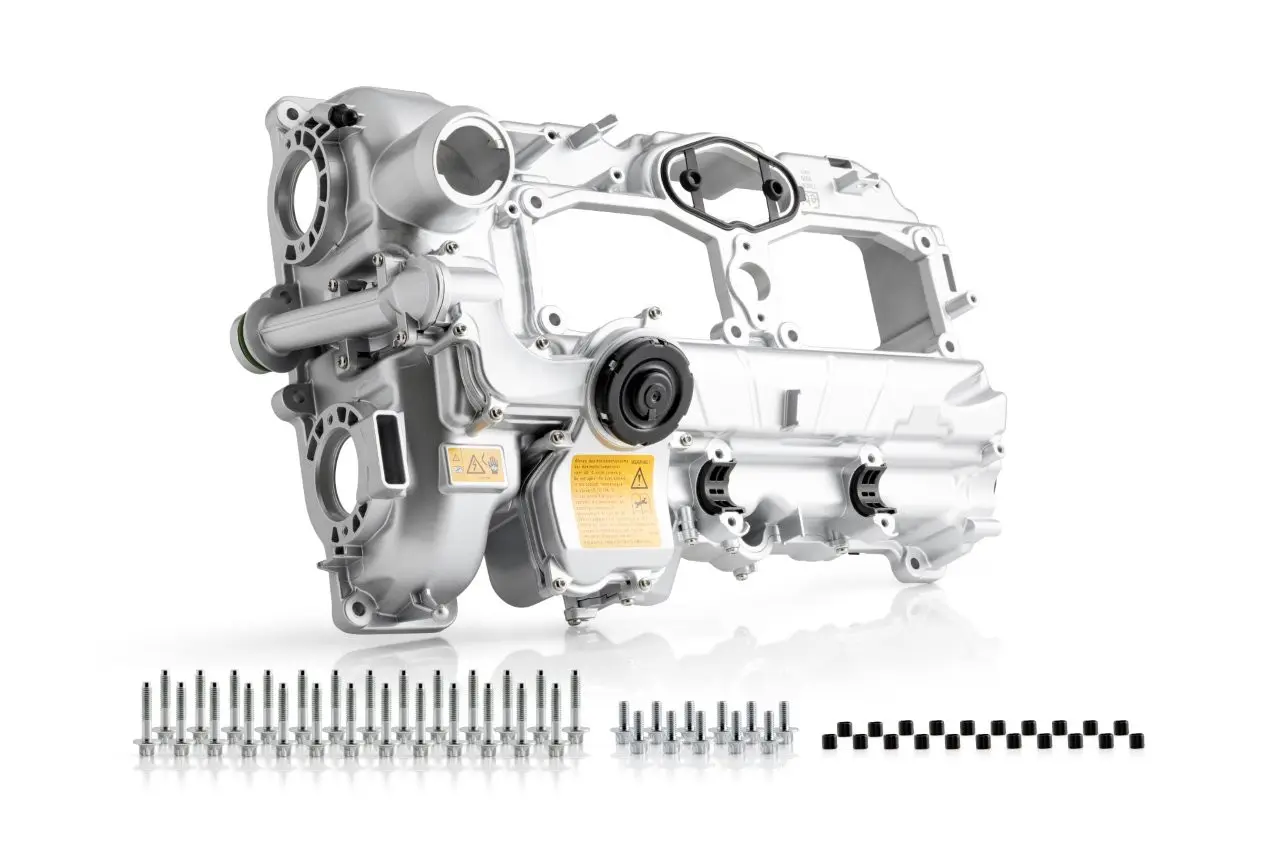
No component in the engine survives without correct lubrication. The oil pump is the heart of that system – pressurising and circulating oil to every bearing surface, every camshaft journal, every hydraulic actuator that depends on stable pressure to function. When oil pressure drops, the consequences are not isolated to one part of the engine. They are systemic, and they are often irreversible.
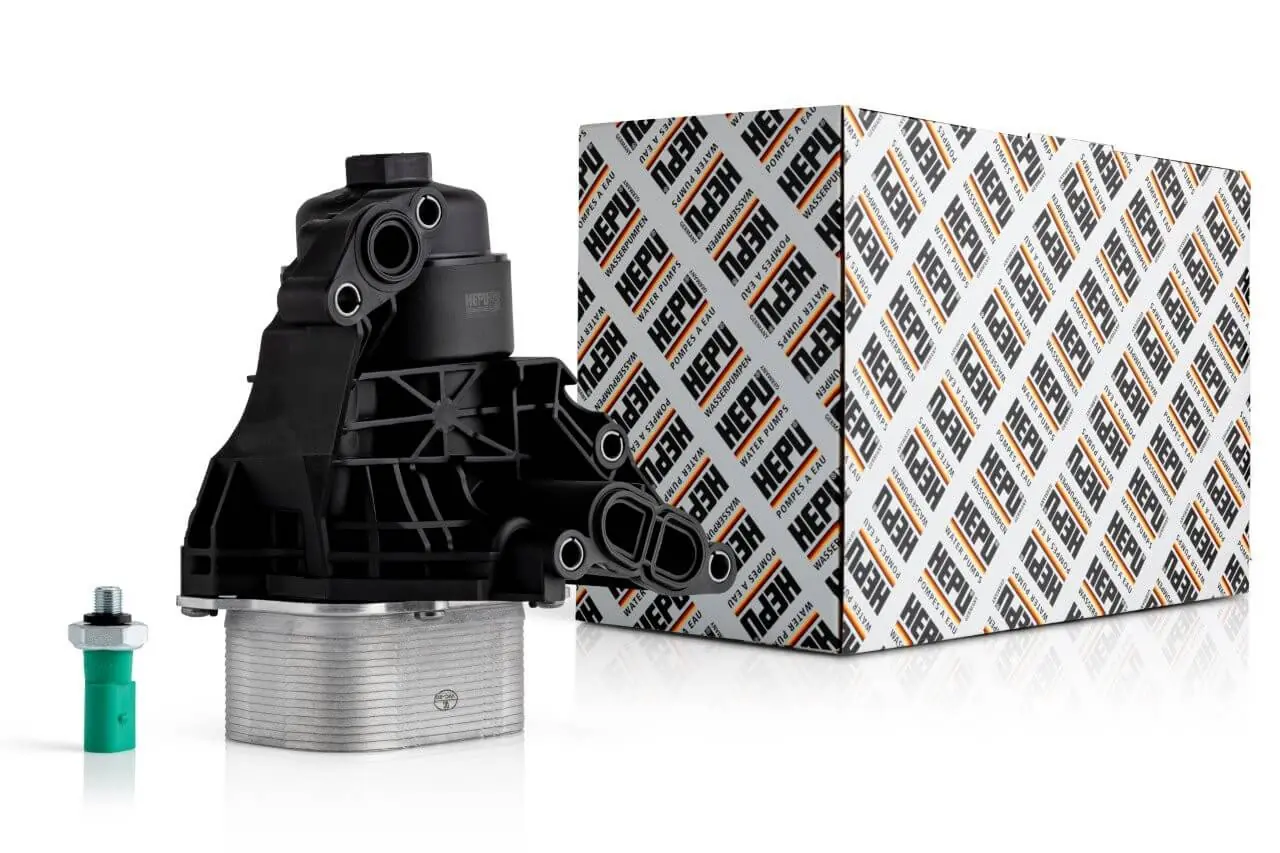
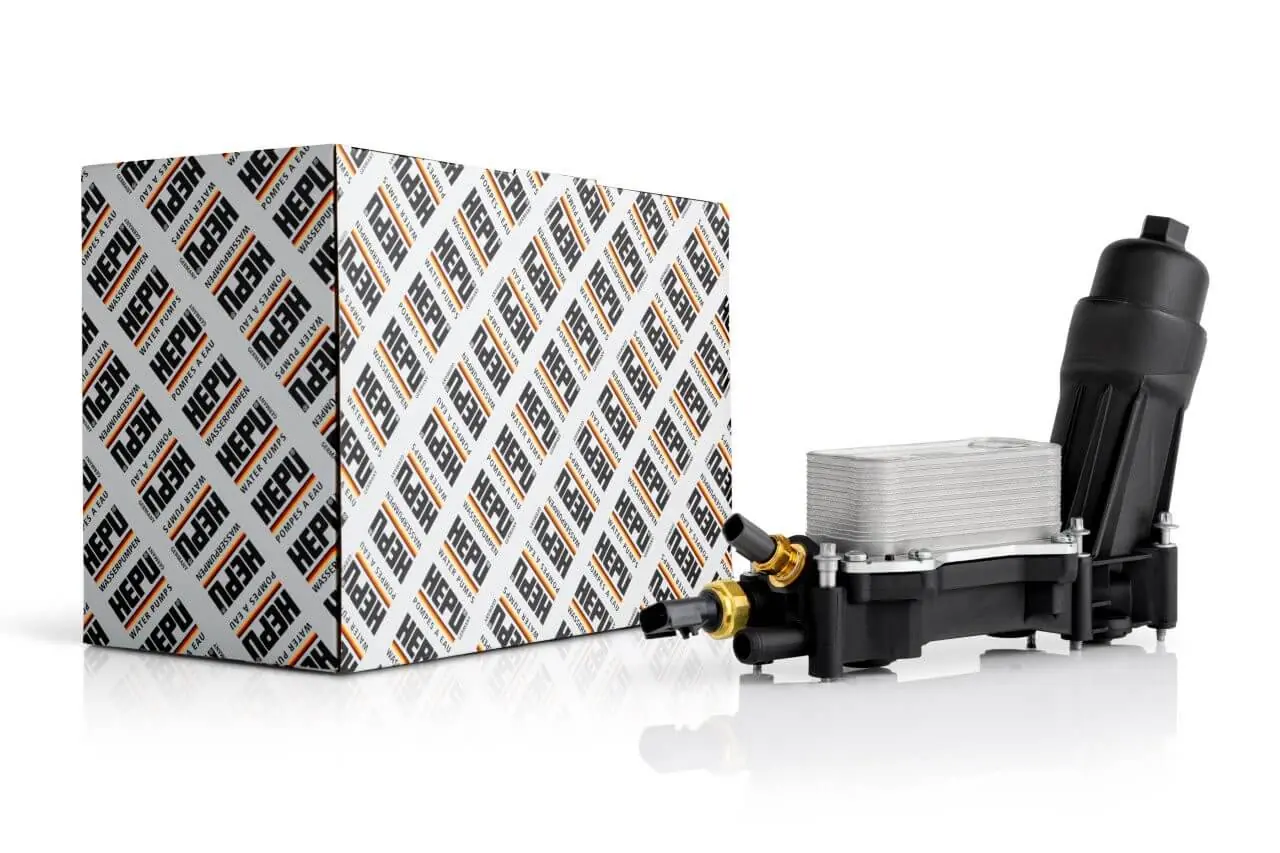
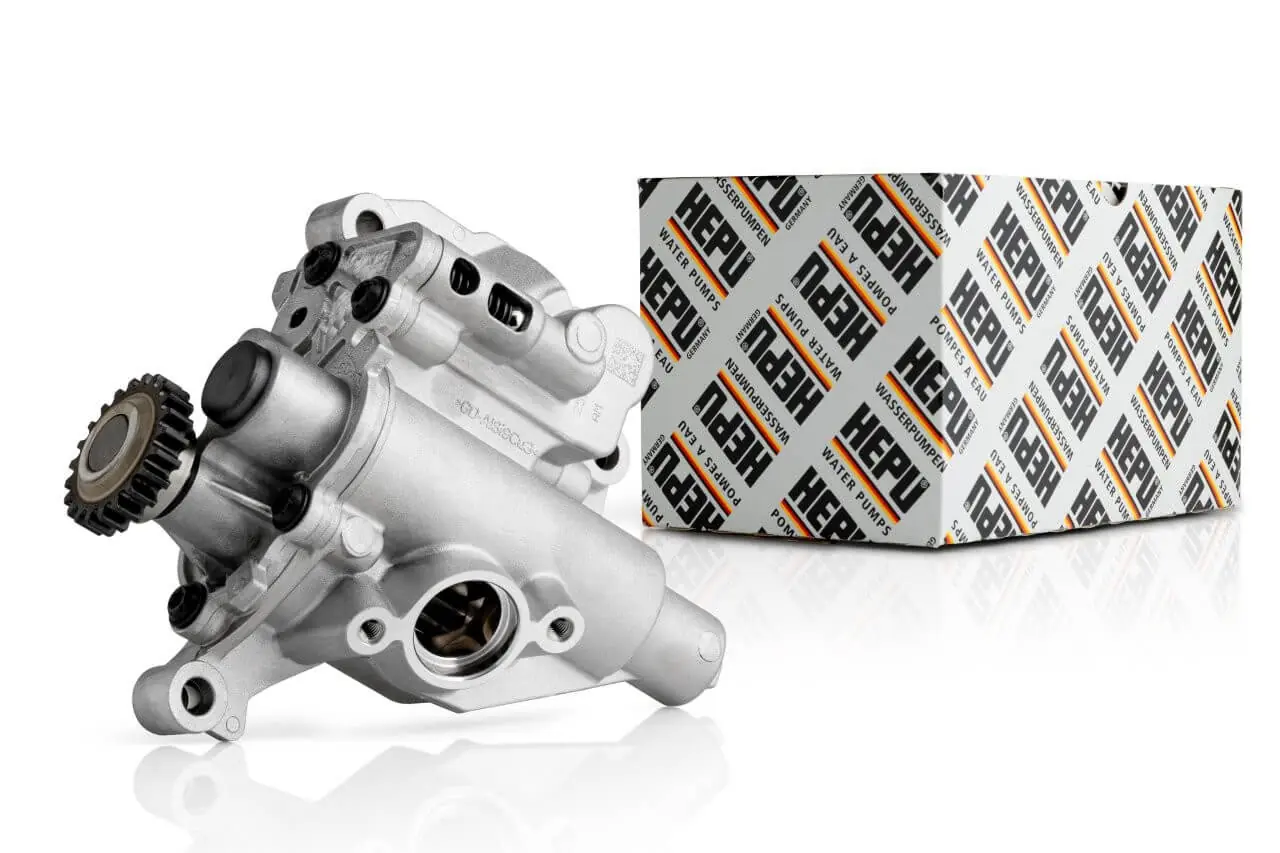
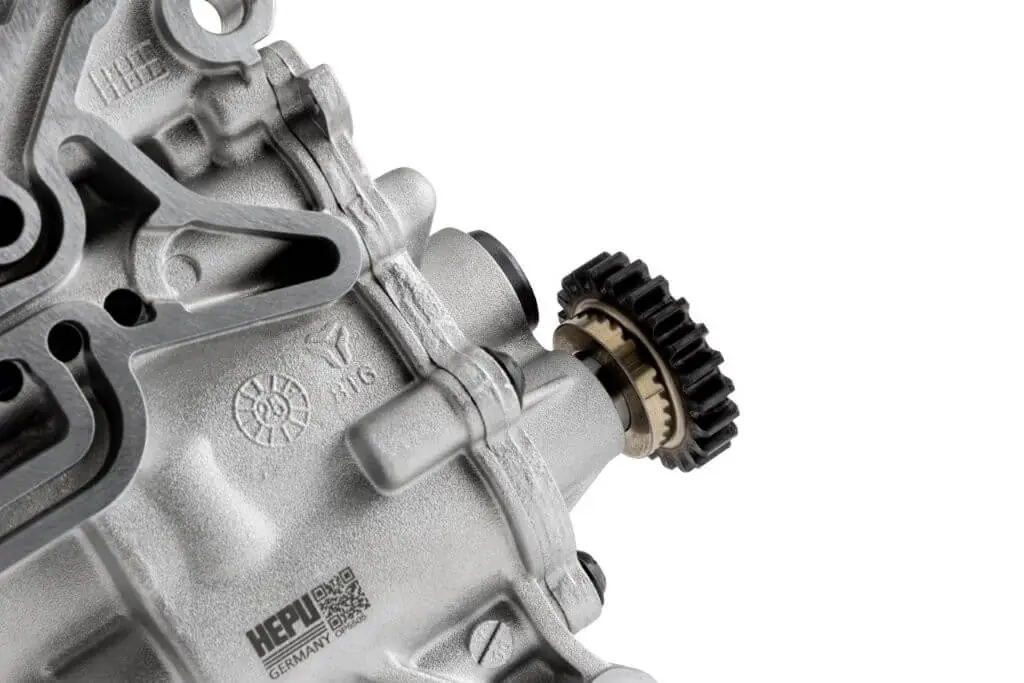
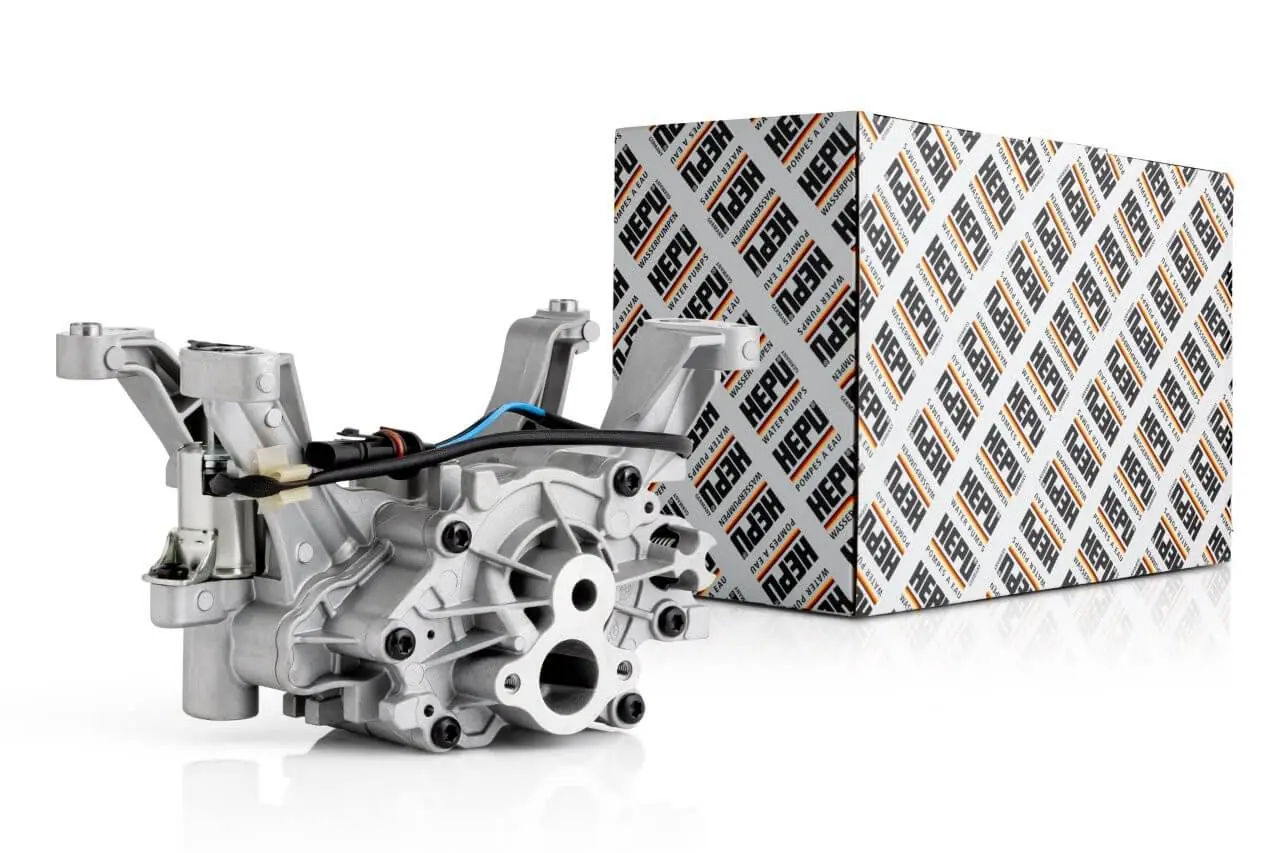
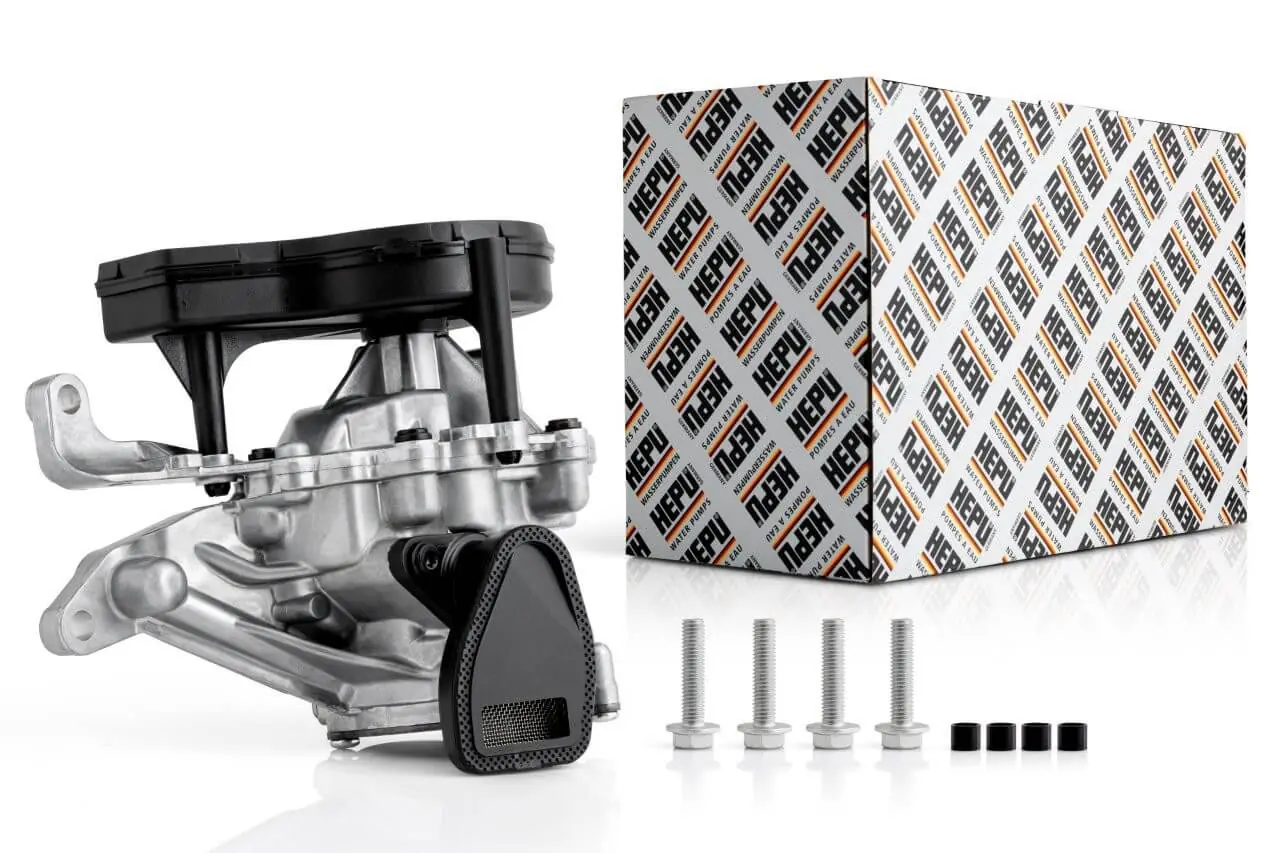
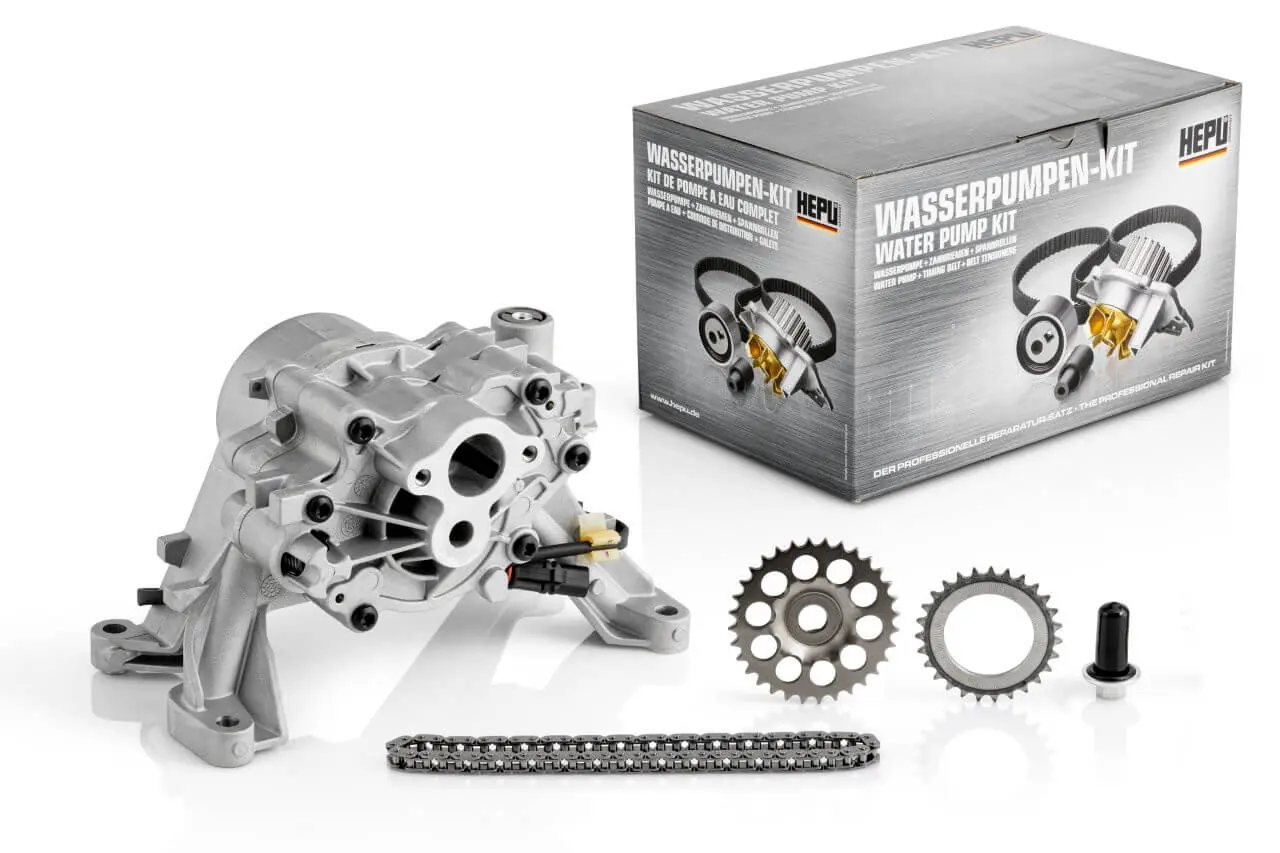
HEPU® Oil Management brings together the components responsible for engine lubrication: oil pumps, tandem oil pumps combining oil and vacuum functions, complete oil pump kits, and oil coolers. Each component is manufactured to OE specification, addressing the specific demands of modern engine architecture – tighter tolerances, variable displacement control, and lubrication systems that now also support hydraulically actuated components such as VVT adjusters.
Oil pressure is not a single, fixed value – it is a range that must be maintained correctly across the engine’s operating envelope, from idle to full load. At idle, 1.5 to 2.5 bar is typical. At 3,000 rpm, that figure rises to 3.0–4.5 bar, depending on application. This pressure does more than lubricate bearings: it directly controls the function of variable valve timing adjusters, which require 2.5 to 4.0 bar to operate correctly. Insufficient oil pressure does not just accelerate wear – it generates VVT fault codes (P0011, P0021) that no timing component replacement can resolve, because the fault lies in the lubrication system, not the timing system.
This is why HEPU® treats oil pumps as safety-critical components, engineered to maintain OE-specified pressure across the full operating range – not simply to circulate oil at any pressure.
Use the HEPU® parts catalogue to find the correct oil management component for your application.