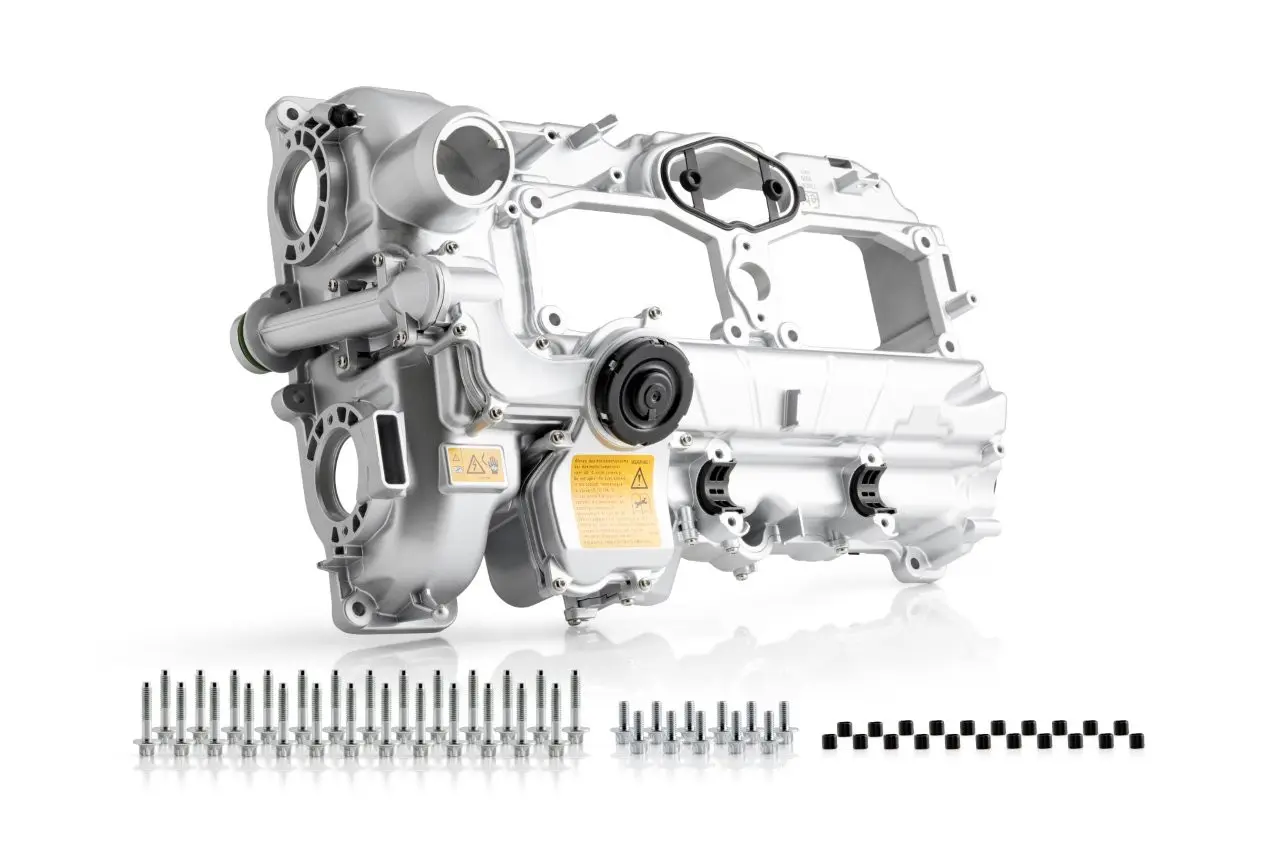
In 2025 we trained several hundred mechanics across Poland and abroad. These sessions became an excellent opportunity to exchange experience and discuss the most common problems mechanics face with timing and cooling systems.
By combining the growing technological complexity of modern engines with hands-on workshop knowledge, we identified the most frequent sources of failures – a selection of which we describe below to support diagnosis and reduce the risk of costly breakdowns.
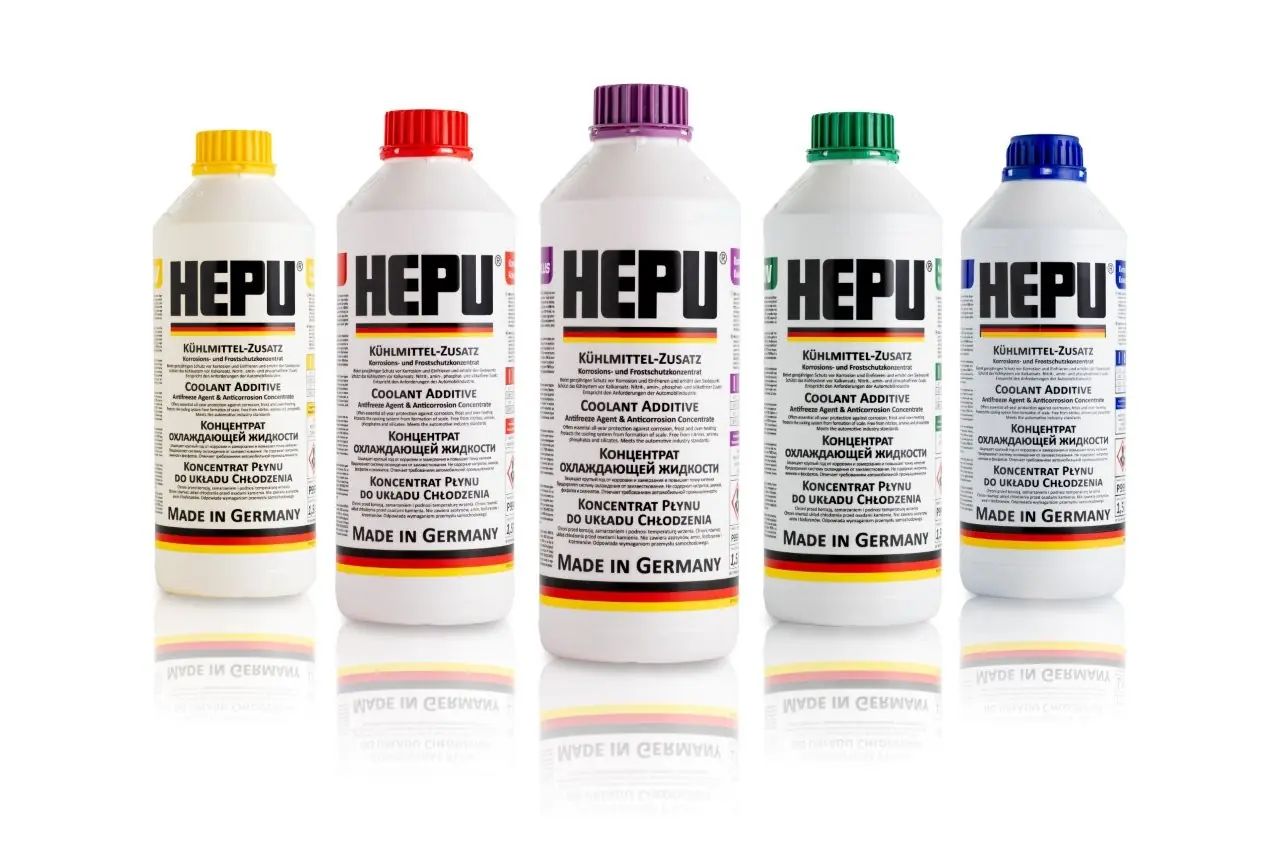
The cooling system also includes (and perhaps most importantly) the coolant – a topic widely discussed during HEPU® training sessions – because it has to withstand the high temperatures at which modern engines operate. The most common questions are which coolant should be used and what should be used to dilute the concentrate, and how.
In older designs, the choice of coolant is less important due to lower operating temperatures. Engines meeting EURO 5 standards and higher require a coolant that complies with the vehicle manufacturer’s specification (e.g. G12 EVO, G13 for VAG) – mixing different specifications leads to the formation of deposits and gel-like substances in the system.
While using an engine oil other than the recommended one is practically unheard of, unfortunately, we still take a much more liberal approach when it comes to coolants in the cooling system. Attention should also be paid to the replacement interval – vehicle manufacturers are increasingly specifying the mileage (or time) after which the coolant should be replaced. Most commonly, this is 120,000 kilometres or 2 years of operation.
What should it be diluted with?
Tap water must definitely not be used – its high calcium content will quickly build up in the system, forming limescale and rapidly leading to damage to the water pump seal. During our training sessions, we often debate whether to mix the concentrate with distilled or demineralised water (the Falenica school versus the Otwock school)?
We definitely recommend demineralised water, as the disadvantage of distilled water is its high acidity resulting from the distillation process. It is also essential to follow the mixing ratio specified by the concentrate manufacturer (most commonly 50:50 for protection down to -35°C).
During HEPU® training sessions, we also talk a lot about the need to flush the cooling system after draining the old coolant, which helps remove residual contaminants that have accumulated in the system, for example in the hoses. This may seem like a basic procedure, but while investigating a warranty claim submitted by one of our distributors, it turned out that an authorised service centre of a certain brand had refilled the system with the old coolant that had been drained during a water pump replacement. The manager of the service centre admitted that this was their standard procedure and that they had filtered the coolant. It may have looked clean, but it could not possibly have retained the properties of new coolant.
We strongly advise against filtering coolant and/or refilling the cooling system with old coolant.
Argument for the customer: an entry in the service book is sufficient reason for replacement at every opportunity (timing system, water pump). Loss of coolant properties after this period leads to corrosion, deposits and water pump failures.